Personal care & daily-living support
Everyday help can make life safer, calmer, and more comfortable. We help families find small, licensed adult family homes that may offer personal care and daily-living support, with details that vary by state and by home.
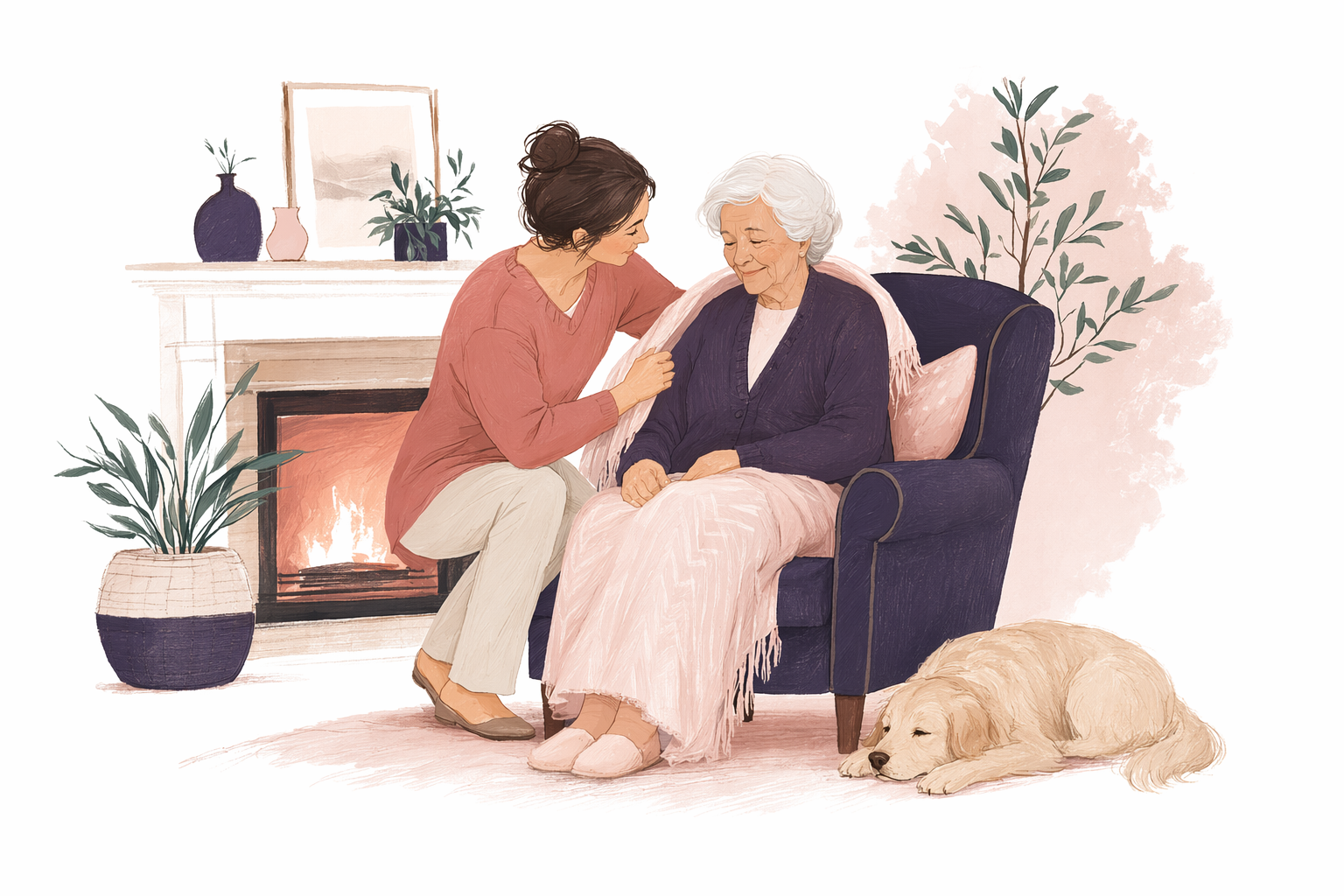
What personal care and daily-living support usually means
Many families start here because the day has become harder to manage alone. Bathing, dressing, using the bathroom, getting to meals, remembering routines, and moving around safely can all take more help over time.
In a small adult family home, this support is often part of everyday life. These homes are sometimes called adult foster care homes or board-and-care homes. They are usually regular houses with a small number of residents, which can feel more personal and less overwhelming.
What a home can do depends on its state license or certification, staff training, and house rules. Some homes can help with more daily tasks than others. That is why it is important to confirm the home's current state license yourself and ask exactly what support they provide before making any decision.
Common help families ask about
Personal care and daily-living support often includes help with routine tasks, such as:
- bathing or showering
- grooming and oral care
- dressing
- toileting and incontinence support
- getting in and out of bed or a chair
- walking support and mobility help
- meal preparation and snacks
- laundry and housekeeping
- medication reminders or help that is allowed under state rules
Some homes also help residents keep a steady daily routine. That may include cueing for meals, helping someone get ready for appointments, or offering gentle supervision during the day.
Not every home offers the same level of assistance. Even within the same state, one home may accept residents with certain needs while another may not. Ask for clear examples of what staff do each day, what they do at night, and what happens if needs increase later.
Why some families prefer a small home
A smaller setting can feel more familiar. For some older adults and disabled adults, that matters. Fewer residents may mean quieter spaces, more routine, and caregivers who notice changes in appetite, mood, sleep, or mobility sooner.
Families often tell us they are looking for dignity, not just tasks. They want their loved one to be known by name, to eat in a home kitchen, and to have help in a respectful way. A small home may be a good fit for people who do better with consistency and personal attention.
Still, no setting is right for everyone. The best choice depends on the person's needs, preferences, language, mobility, budget, and location. If you want help comparing options, we can help you get matched with licensed homes near you. You are never under any obligation.
How to ask the right questions
It is normal to feel unsure at first. A tour can make things clearer. Always visit the home before deciding, and confirm its current state license or certification with your state's licensing agency.
When you talk with a home, you can ask:
- What daily-living help do you provide right now?
- What do staff do if someone needs help during the night?
- How many residents live here?
- Who gives medication reminders, and what is allowed under state rules?
- Can you support walkers, wheelchairs, or transfers?
- What languages are spoken in the home?
- What is included in the monthly price, and what may cost extra?
- What happens if care needs change?
You can also look around for everyday signs of good care. Is the home clean and calm? Do residents seem comfortable? Are meals appealing? Do staff speak respectfully? Trust your eyes, and ask follow-up questions.
Cost and Medicaid: important to understand separately
Costs vary widely by state, region, and level of help. As a typical estimate, families often see monthly prices that include room, meals, and basic daily support, but exact amounts are not quotes and can differ a lot from home to home. You can learn more on our costs page.
In many states, room and board is usually paid privately. Medicaid waivers may help with the personal-care part in some situations, but rules are different in each state. Medicaid eligibility, waiting lists, covered services, and payment rules all vary widely.
Medicaid information is separate from matching. Whether or not you ask us to help you find a home, you should confirm current Medicaid and licensing details with your state Medicaid office, the home, and the state's licensing agency. HearthRow does not give legal, financial, or Medicaid advice.
How HearthRow helps
HearthRow is not a care home, care provider, medical professional, or government agency. We do not provide care. We are a free matching and information service that helps families find licensed or certified adult family homes near them.
If you want, we can help you find homes to contact based on location and the kind of everyday support you are looking for. We only need basic contact and preference information to start. Please do not send medical records, financial account numbers, or other sensitive documents.
Some homes pay HearthRow a flat fee when we connect them with a family. It never changes what you pay, and you are never under any obligation. Before choosing any home, always tour it, ask detailed questions, and confirm its current state license or certification yourself. You can also read more about the kinds of services adult family homes may offer.
We help families find small, licensed homes that may assist with daily tasks like bathing, dressing, meals, and mobility, but services, costs, and rules vary by state and by home.