Warning signs to watch for when touring a home
Touring a small home for a loved one can feel emotional and overwhelming. This guide can help you notice warning signs, ask calm, practical questions, and slow down before you decide.
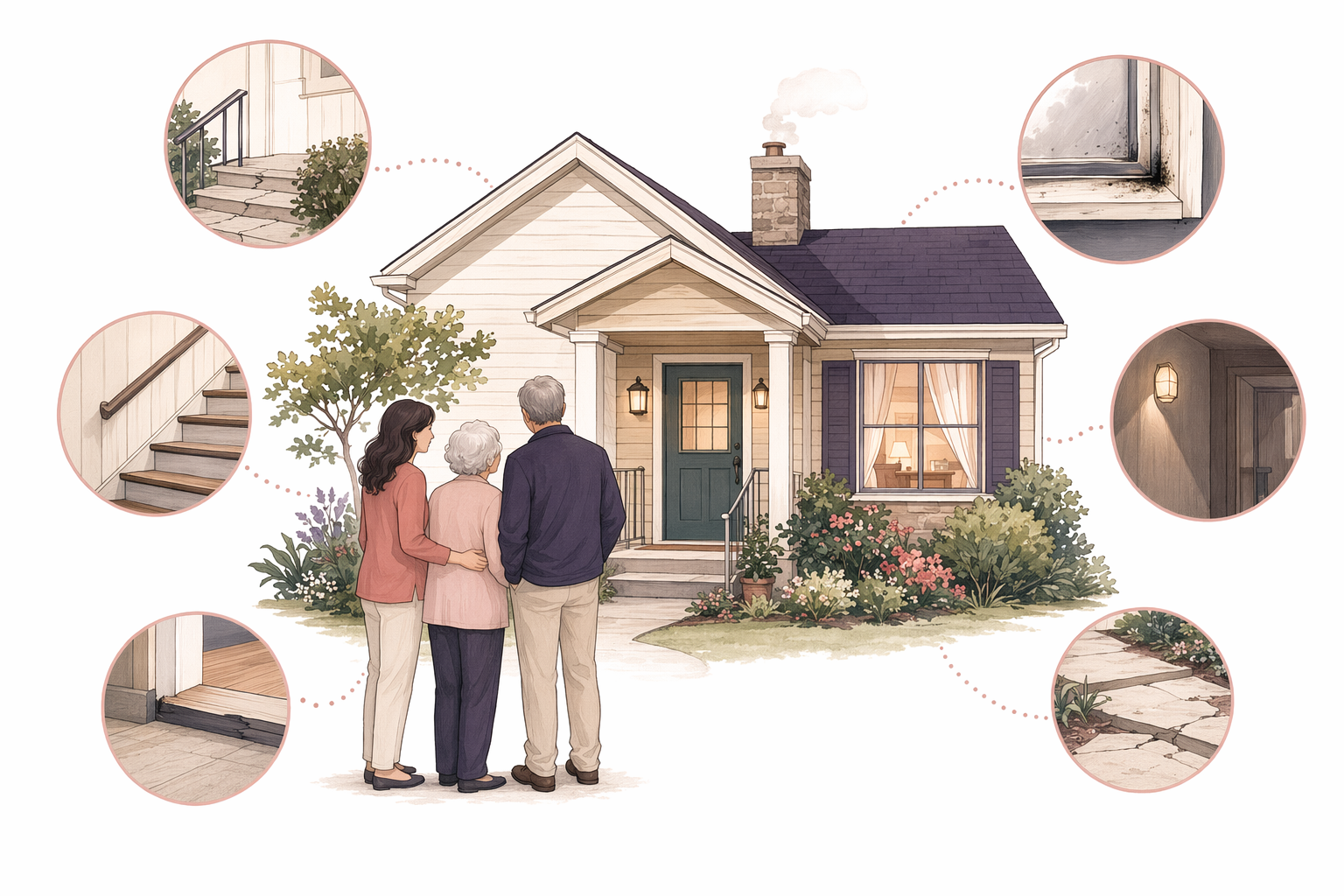
Start with a simple goal: safety, respect, and fit
A tour is not just about whether a home looks nice. It is about whether your loved one would be safe there, treated with dignity, and supported in daily life.
Small adult foster care homes, adult family homes, and board-and-care homes can feel warm and personal. But homes vary a lot by state, by license, by staffing, and by what services they actually provide. That is why it is so important to tour in person if you can, ask direct questions, and confirm the home's current state license or certification yourself.
It is also okay to leave a tour with concerns. If something feels rushed, confusing, or hidden, slow down. This is a big decision, and you do not have to decide on the spot.
Warning signs you may notice right away
Some warning signs show up in the first few minutes. Trust what you see, hear, and smell.
- Strong urine, stool, smoke, or other lingering odors that suggest poor cleaning or poor toileting support
- Residents who appear unattended for long periods, call out without help, or seem ignored
- Staff who seem irritated, rough, mocking, or impatient with residents
- Doors, hallways, bathrooms, or bedrooms that feel unsafe, cluttered, broken, or hard to move through
- A home that feels locked down in a worrying way, without a clear safety reason explained
- Dirty kitchens, unsafe food storage, pests, or expired food
- No clear plan for emergencies, medication storage, or fall prevention
One warning sign alone does not always tell the whole story. But several together can be a serious concern. A clean entryway and friendly greeting do not matter much if basic care and respect seem weak once you look closer.
Questions to ask when things seem unclear
You do not need special training to ask good questions. Keep them plain and specific. The goal is not to challenge people. The goal is to understand how the home works day to day.
You might ask:
- Is the home currently licensed or certified by the state? How can I verify that?
- What kind of help do residents usually get here each day?
- How many caregivers are in the home during the day, overnight, and on weekends?
- What happens if someone needs more help than expected?
- How are medications stored and given?
- What is the plan if there is a fall, fire, or medical emergency?
- How do residents spend their day? Can they choose when to wake up, eat, or rest?
- How do you communicate with families?
Pay attention to how answers are given. Clear, calm answers are a good sign. Vague answers, changing stories, or pressure to stop asking are not.
Behavior that should make you pause
Sometimes the biggest warning sign is not the building. It is the way people act.
Be careful if a staff member refuses to let you see common areas, seems angry about questions, or pushes you to sign quickly. Be careful if they say a license is "in process" but cannot show current approval, or if they tell you not to bother checking with the state. You should always verify the home's current license or certification yourself.
It is also a concern if staff speak about residents without respect, share private details too casually, or talk as if residents have no choices. A good home should support dignity, privacy, and as much independence as each person can safely have.
If you are told a home can handle "anything" or that there is "always a room," take a step back. Homes have different training, staffing, and limits. Availability, services, and cost vary widely, and no one should promise more than they can safely provide.
Look past appearance and ask about daily life
A home can be nicely decorated and still be a poor fit. Try to picture an ordinary Tuesday there.
Notice whether residents seem comfortable and engaged. Are they dressed appropriately? Do they seem clean? Are meals and snacks handled in a normal, respectful way? Is there a place for quiet, privacy, and family visits? Can residents bring personal items to make the room feel like home?
Ask what is included and what costs extra. Costs vary widely by state and by level of help. Room-and-board is usually paid privately, while Medicaid waivers often help with the personal-care part in some situations. These are general patterns, not quotes, and coverage rules vary by state. For a simple overview, you can read costs.
You can also ask what services the home says it offers, then confirm whether that matches the home's license and your loved one's needs. A broad overview is on our services page.
Take your time and confirm everything
After the tour, write down what you noticed while it is fresh. Compare homes side by side if you can. If possible, visit at different times of day. A second tour can reveal things you missed the first time.
Always confirm the home's current state license or certification yourself and ask the state licensing agency how to review complaint history, inspection findings, or enforcement actions, if your state makes that information available. Rules, licensing, levels of care, and costs vary widely by state.
HearthRow is a free service that helps families find and connect with licensed adult family homes near them. We are not a care provider, medical professional, or government agency, and we do not give medical, legal, or financial advice. We share general information and help you find options to consider. Some homes pay HearthRow a flat fee when we connect them with a family. It never changes what you pay, and you are never under any obligation. If you want help finding homes to tour, you can get matched.
When you tour a home, look for safety, cleanliness, respectful treatment, clear answers, and a current state license—and do not rush your decision.