What is adult foster care?
Adult foster care is a small, home-like place where an older or disabled adult lives with help from trained caregivers. It can feel more personal than a large facility, but rules, services, and costs vary a lot by state.
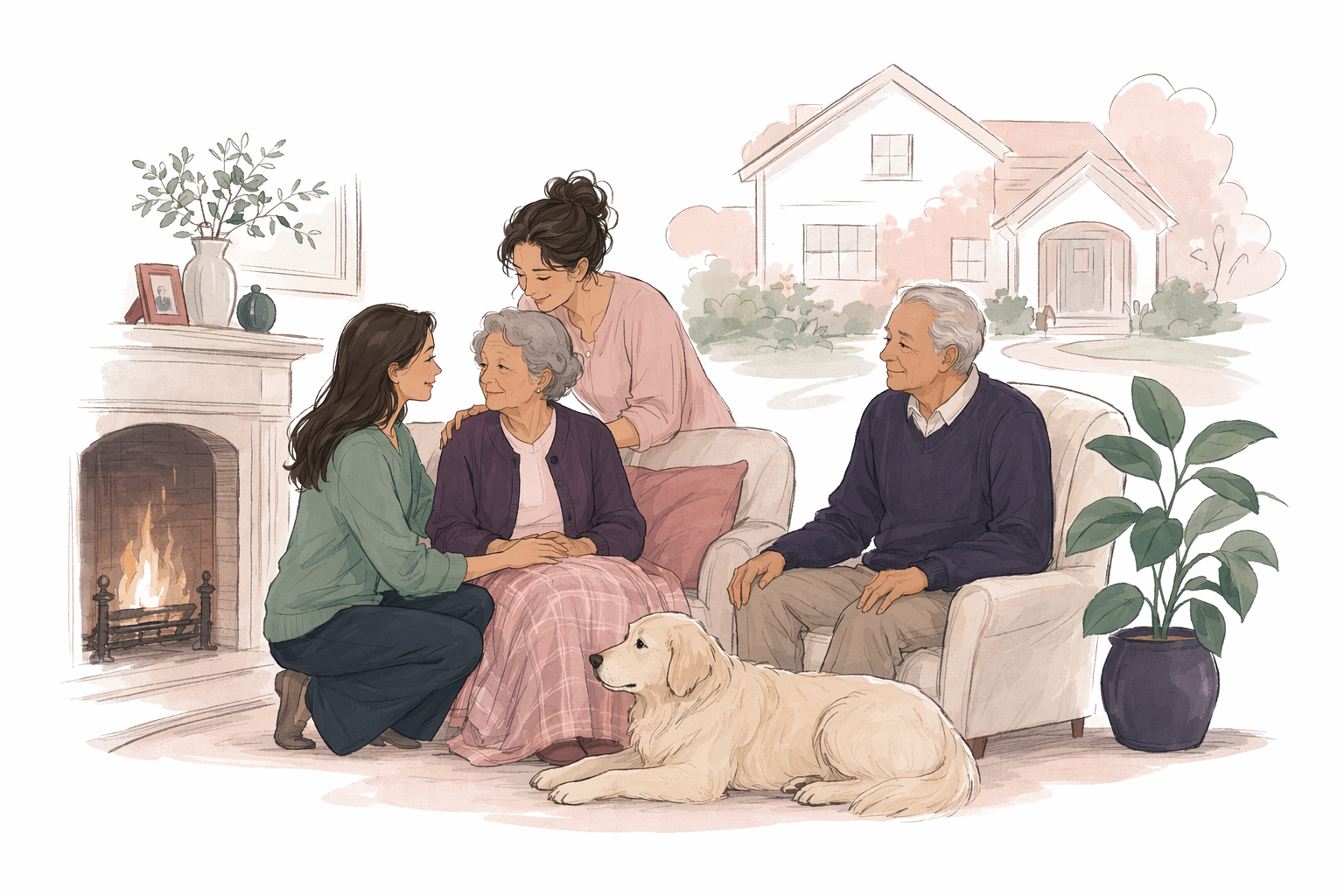
Adult foster care, in plain language
Adult foster care is a broad term families use for a small residential home where an adult can live and get daily help. Depending on the state, it may also be called an adult family home, board-and-care home, or another similar name.
These homes are usually in regular neighborhoods, with a small number of residents. That smaller setting can feel calmer and more familiar for some families.
In many homes, staff help with everyday needs like meals, bathing, dressing, laundry, reminders, and getting around the home. Some homes may offer more support than others. What they are allowed to do depends on state rules, the home's license or certification, and the training of the caregivers.
How it is different from a nursing home or assisted living
The biggest difference is size and setting. Adult foster care homes are usually much smaller than a nursing home or large assisted living community. Many families look for this option because they want a quieter, family-style home.
A nursing home is generally for people who need a higher level of medical or nursing care. Assisted living is often larger and may offer apartments or private units with shared services. Adult foster care homes are usually more like a shared household.
That does not mean one option is always better. It depends on what your loved one needs, what the home is licensed to provide, and what feels right for your family. It is always wise to confirm services directly with the home, talk with your loved one's doctor, and check your state's licensing agency.
What services might be included
Services vary widely by state and by home. In general, many adult foster care homes may offer:
- A private or shared room
- Meals and snacks
- Help with bathing, dressing, grooming, and toileting
- Medication reminders or medication help, if allowed by state rules
- Housekeeping and laundry
- Social time and supervision
- Help arranging transportation or outside appointments
Not every home provides the same level of support. Some homes can care for people with memory loss or mobility limits. Others cannot. Always ask what the home is licensed or certified to do now, not what it hopes to offer later.
Before you choose a home, tour it in person if you can. Notice how residents are treated, whether the home feels clean and calm, and how staff talk with the people living there.
Who adult foster care may be a fit for
This kind of home may be a good fit for an older or disabled adult who needs help with daily life but may not want a large facility. Some families choose it because their loved one does better with fewer people, a quieter environment, and more familiar routines.
It may also be helpful for families who want a setting that feels personal and easier to understand. For many new immigrant families and non-native English speakers, a smaller home can feel less overwhelming when asking questions and getting to know the caregivers.
Still, fit matters more than the label. A home may be right for one person and wrong for another. Ask about staffing, language needs, food preferences, mobility help, overnight support, and what happens if care needs change.
What it usually costs
Costs depend on the state, the area, the size of the room, and the level of help needed. As a typical estimate, monthly room-and-board in a small licensed home is often paid privately and can range from a few thousand dollars per month to more in higher-cost areas. These are general estimates, not quotes.
In some states, Medicaid waivers may help with the personal-care part for eligible adults, while room-and-board is often still paid privately. Medicaid rules are separate from matching with a home. You should confirm eligibility, covered services, and waiting lists directly with your state's Medicaid office or another official state source.
You can learn more in our plain-language guide to costs. Because prices and programs change, always ask the home for current details in writing and confirm what is included.
How to choose a home carefully
This is a big decision. It is normal to feel worried, rushed, or unsure. A careful, simple checklist can help.
- Confirm the home's current state license or certification yourself
- Ask what level of care the home is allowed to provide
- Tour the home before deciding
- Ask about staff training, overnight coverage, meals, visitors, and transportation
- Ask what is included in the monthly price and what costs extra
- Ask how the home handles emergencies and changes in care needs
HearthRow is a free service that helps families find and compare small licensed homes near them. We are not a care home, medical provider, or government agency, and we do not give medical, nursing, legal, or financial advice. We share general information and help you connect with homes so you can ask questions directly.
If you want help getting started, you can get matched with licensed homes near you, or read more about common services families ask about. Some homes pay HearthRow a flat fee when we connect them with a family. It never changes what you pay, and you are never under any obligation.
Adult foster care means a small, licensed home where an older or disabled adult can live with daily help, but services, rules, and costs depend on the state and the specific home.